The Basics
What Is a Gyro Stabilizer (and Why It Matters in California)
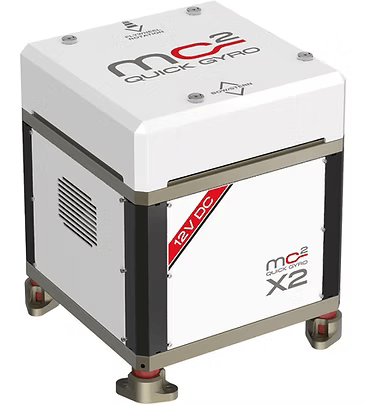
A gyro stabilizer is a self-contained unit that uses a spinning flywheel to generate torque and counteract the natural rolling motion of your boat. It doesn’t go outside the hull, it doesn’t drag in the water, and when it’s sized and installed correctly, it can cut roll dramatically—even at drift or low speed.
Why California boats feel roll so badly
If you run a boat in California, you already know the usual suspects:
- Afternoon wind waves building against swell
- Quartering seas on the way home from the island
- Open-roadstead harbors where boats rarely sit completely still
- Long periods of trolling, drifting, or anchored up with beam seas
Seasick guests
Fatigued crew
Shorter trips
Underused boats
A properly specified and installed gyro stabilizer in California changes that equation. Instead of bracing for every roll, the boat becomes calm, controlled, and comfortable, both offshore and at the dock.
Choosing Your System
AC vs DC Gyro Stabilizers in California
When you start researching stabilization, you quickly discover there isn’t just one type of gyro. The two big categories we work with are AC gyro stabilizers and DC gyro stabilizers.
AC Gyro Stabilizers
Typically found on larger yachts and sportfishers with robust generator capacity.
Best for:
- Boats that always run a generator
- Systems-heavy vessels (chillers, large house loads)
- Serious offshore use with high duty cycles
DC Gyro Stabilizers
Designed for smaller to mid-size boats wanting reduced generator dependency.
Best for:
- Day boats and lighter electrical systems
- Hybrid DC+inverter architectures
- Modern center consoles and smaller cabin boats
How We Help You Choose AC vs DC
Instead of forcing one solution, we:
- Evaluate hull type, displacement, and roll characteristics
- Look at your current electrical system and generator capacity
- Ask how you actually use the boat: offshore runs? local cruising? all-day trolling?
- Match you to a gyro model and power type that suits your boat
Sales, Installation & Service
Gyro Stabilizer Services in California
OCGYRO isn’t just a sales office or an install crew. We’re a full lifecycle partner for gyro stabilizers in California.
Gyro Stabilizer Sales in California
We start with honest, technical consulting:
- Review your current vessel configuration
- Discuss your stability goals (less roll at drift, comfort running, better at anchor)
- Analyze weight, space, and structure for possible gyro locations
- Recommend AC or DC, appropriate models, and potential alternatives
Professional Installation & Retrofits
Correct installation is where “it works” becomes “it really works.”
Structural Integration
Mount foundation design & fabrication Structure reinforcement for gyro forces Proper load path distribution
Electrical Integration
Proper cabling, breakers, and controls Generator and house load coordination Clean, labeled, serviceable wiring
Mechanical Systems
Cooling loops (if required) Vibration isolation and alignment Accessible maintenance layouts
Finish Work
Clean paneling and access points Corrosion-resistant coatings Sea-trial-ready presentation
Service, Repair & Optimization
After the install, your gyro stabilizer needs periodic checks to stay at its best.
Scheduled inspections and health checks
Troubleshooting and fault diagnosis
Component replacement and system updates
Performance tuning and noise/vibration optimization
Sportfishing Boats
If you troll for hours, drift for tuna, halibut, or rockfish, or spend long days offshore with crew and guests—a gyro stabilizer can turn a "tolerable" day into a comfortable, productive one.
Cruising & Motor Yachts
For yacht owners in California, instability often means guests not wanting to stay overnight, "no-go" days on marginal forecasts, and boats staying docked more than they should.
Commercial & Charter Vessels
For commercial operators and charter boats, roll affects crew safety, customer experience, and the kinds of trips you can offer confidently.
Gyro Stabilizers vs Other Stabilization Options
While this page focuses on gyro stabilizers in California, many owners want to understand how gyros compare to other solutions like fins or bags.
| Feature | Gyro Stabilizers | Fin Stabilizers |
|---|---|---|
| Location | Internal to hull | External—extends outside hull |
| Low-speed performance | Excellent | Limited |
| At anchor/drift | Excellent | Minimal effect |
| Underway stabilization | Good | Excellent |
| Drag in water | None | Added drag |
| Hull penetrations | None required | Required |
Why Many California Boats Choose Gyros
- They spend a lot of time at slow speed or drifting
- They want to avoid external drag and vulnerable appendages
- They like the idea of a self-contained, below-deck solution
Our role is to guide you through the options, not force a one-size-fits-all answer.
Gyro Stabilizers in California
Frequently Asked Questions
How much roll reduction can I expect from a gyro?
It depends on the boat, gyro size, and conditions, but many owners see a dramatic reduction in perceived roll—enough that previously seasick guests can stay on board comfortably.
Do I need a generator to run a gyro stabilizer?
Not always. AC gyros typically rely on generator power, while DC gyros can be integrated with house battery systems and inverters. We'll evaluate your power system and recommend a solution that fits.
Will a gyro work while I'm at anchor or drifting?
Yes. One of the main advantages of gyro stabilizers is their ability to significantly reduce roll at low speeds, at anchor, or while drifting—conditions where many California boats spend a lot of time.
Can you retrofit a gyro into my existing boat?
How loud are gyro stabilizers?
How long does installation take?
For Gyro Stabilizers in California
Why Work with West Coast Stabilizers Inc
WCS INC is led by Lyf Todd, whose background spans:
- Metal fabrication and precision machining
- Industrial machinery and technical sales
- Marine electronics, diesel mechanics, and structural integration
- Specialized experience with marine stabilization systems
This blend of fabrication, mechanical, electrical, and marine expertise means we don’t just sell you a gyro—we:
Design
The right solution for your hull and operating profile
Execute
Installation with engineering discipline and craftsmanship
Support
Ongoing service and support you can count on